Artifacts and Outputs

The Archive

Objects prove the world exists.

The Archive turns atmosphere into evidence. It gathers maps, labels, notices, photographs, ledgers, keys, rituals, scene captions, and other material proof produced by the world.

Look to the Observatory
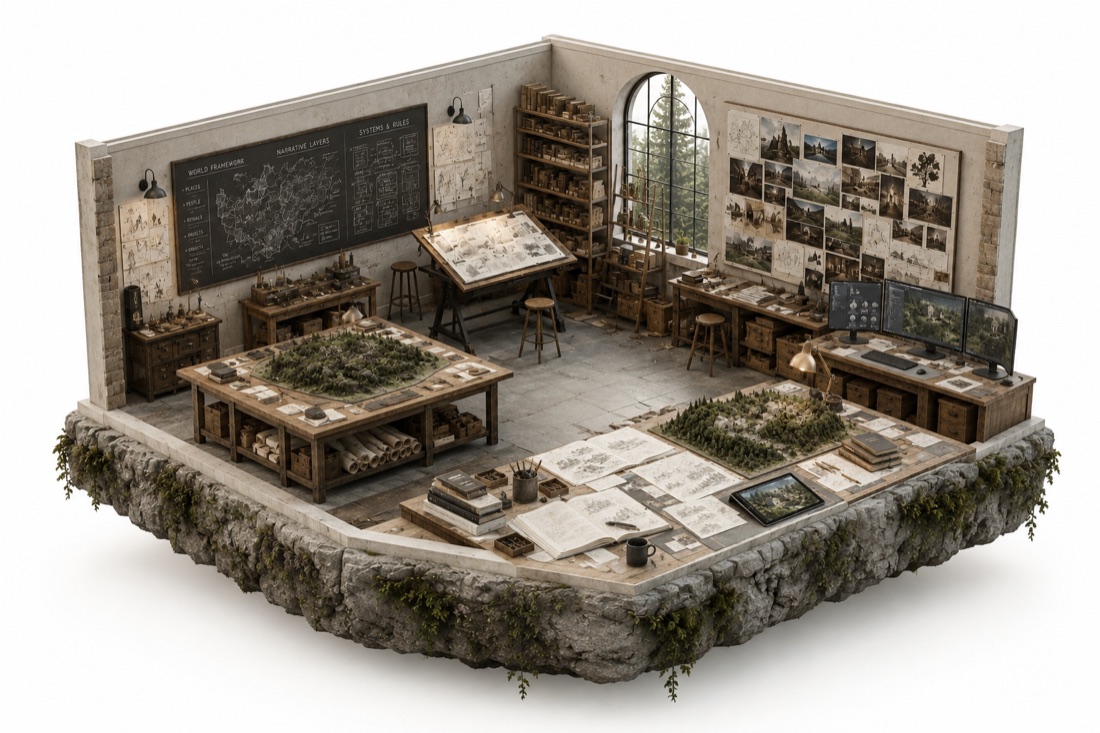
A miniature model and studio artifact table arranged for exhibition.
Artifacts are treated as institutional records.

Room Brief

Objects prove the world exists.

Room Purpose
Preserve outputs and make them retrievable.
Catalog Logic
Category, number, title, status, context.
Next Room
Observatory: roadmap and future scale.

Catalog

Each object has a reason to exist.

Membership cards, notices, menus, bottle labels, maps, tickets, and ledgers are not props. They show how a brand world creates customs, records, and expectations.

  • Correspondence
  • Membership
  • Maps and plans
  • Labels and packaging
  • Ledgers and photographs

Evidence

The archive separates real, fictional, and prototype material.

Appalache has a real commercial source brand, a fictional estate world, and a playable prototype. The Archive keeps those layers clear so the work stays credible for investors and media.

A found-photo style image connected to the Appalache lower lake.
Found images behave like story evidence when they are labeled clearly.

Press

The strongest artifacts become press-ready material.

A journalist should be able to pull a hero image, caption, fact sheet, quote, project summary, and contact path without emailing for basic information.

Selected Material

Images are treated as evidence.

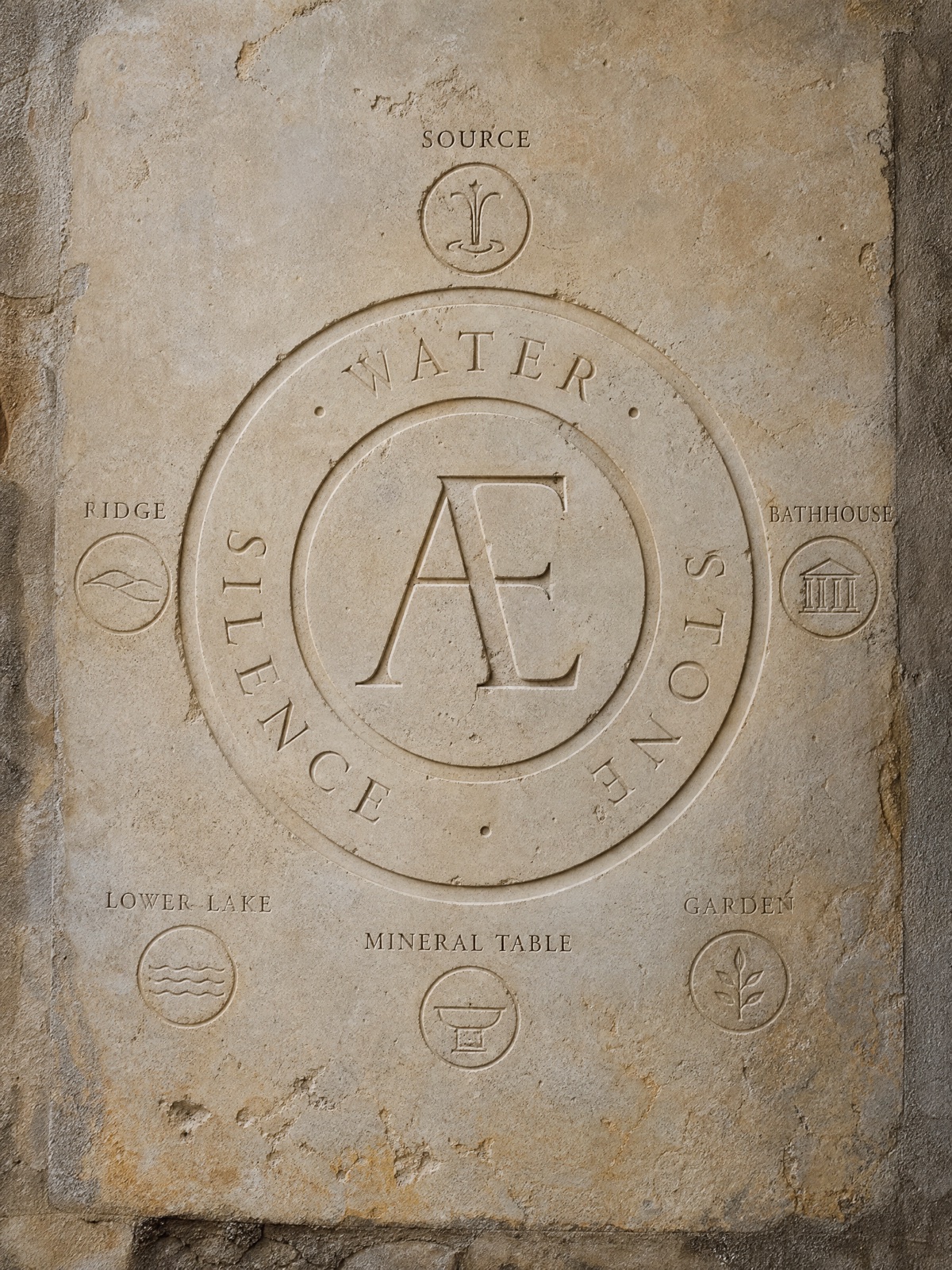
A seal-like mineral artifact from the Appalache Estate.
Material identity connected to water, ritual, and membership.
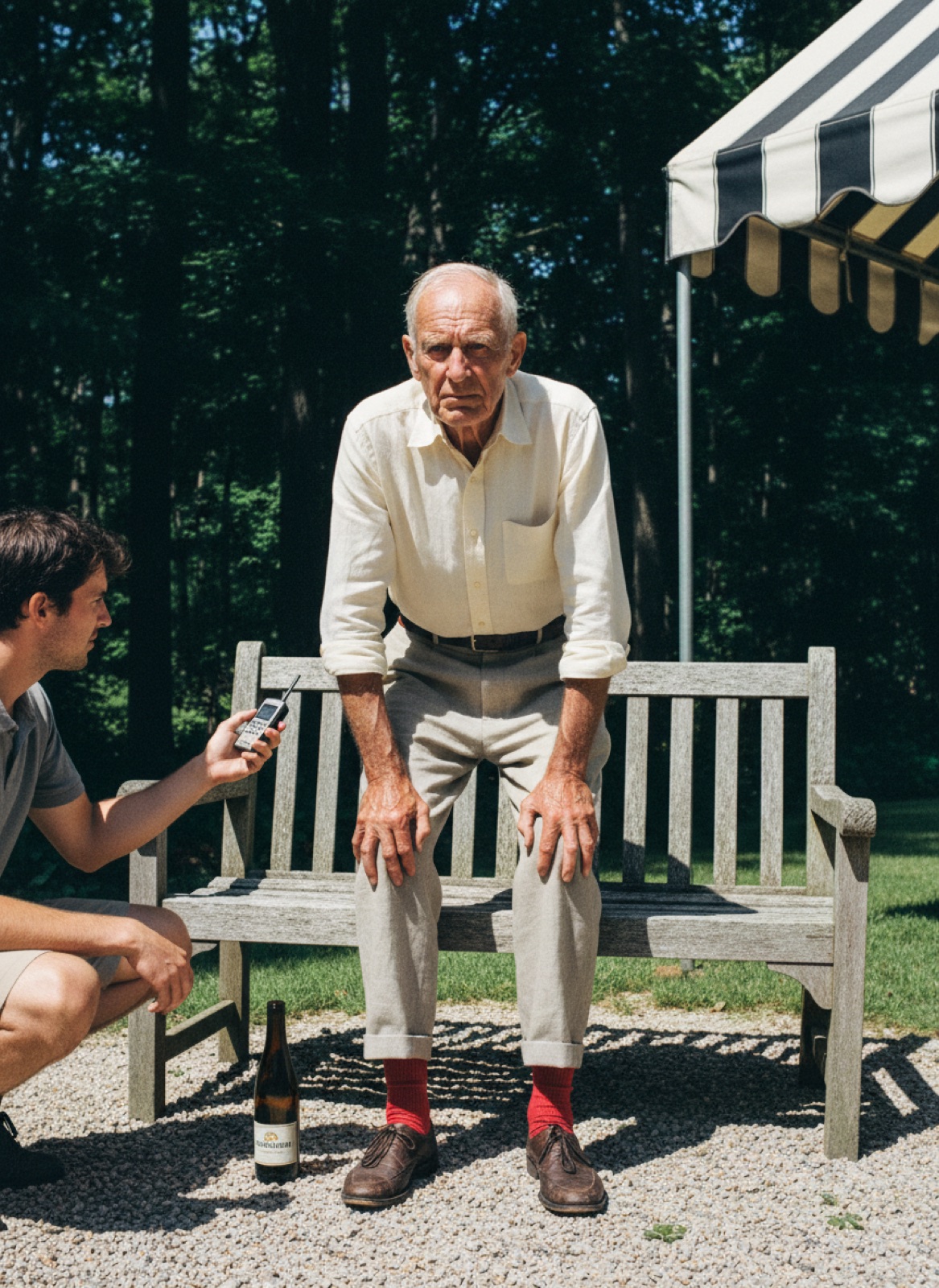
A press statement scene on an estate bench.
Press imagery should feel factual, not promotional.
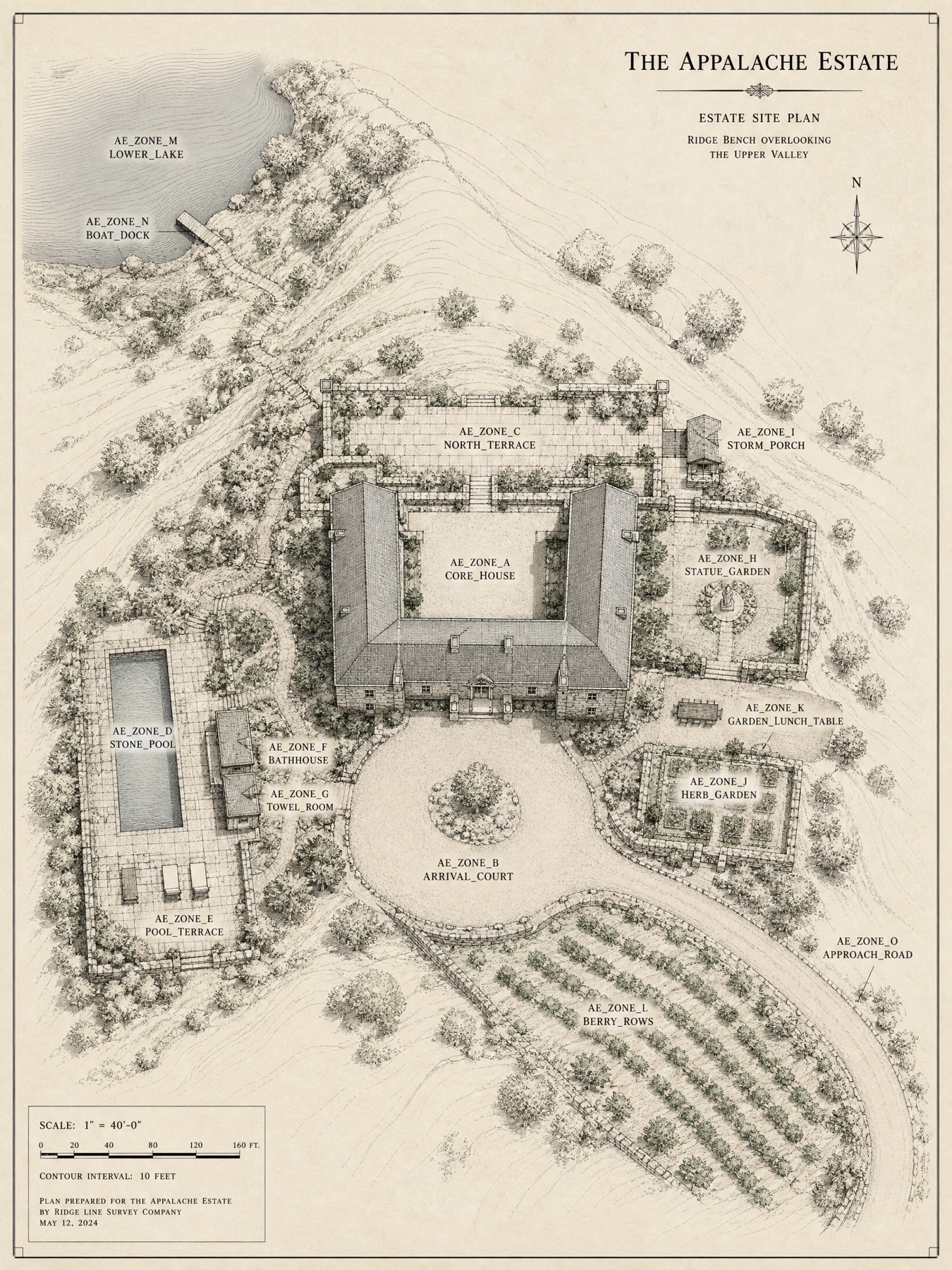
A mapped plan of the Appalache Estate.
Maps make narrative geography legible.
ContinueLook to the Observatory