Philosophy and Research

The Library

The why and the what of Brand Worlds.

The Library holds the doctrine: definitions, principles, reference systems, maps, and world-bible logic. It explains the discipline before showing the machinery.

Enter the Workshop
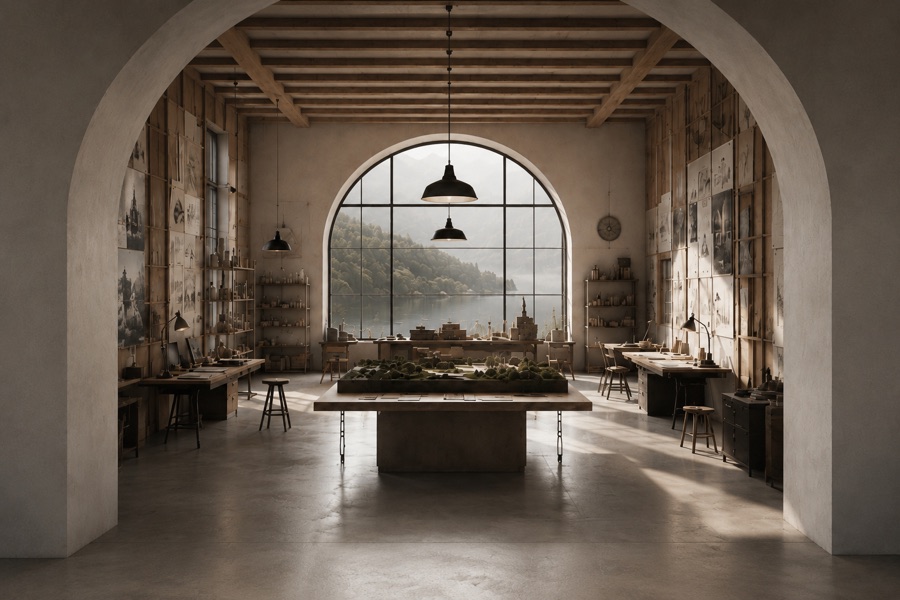
A quiet architectural room with arched openings and studio materials.
Thought, doctrine, reference, and spatial logic.

Room Brief

The why and the what of Brand Worlds.

Room Purpose
Explain the intellectual foundation.
Primary Question
What is a Brand World, and why does it matter now?
Next Room
Workshop: process and production.

Doctrine

The world bible is the operating system.

Every strong world needs more than mood. It needs a premise, rules, geography, characters, rituals, objects, and expansion logic that can guide many future outputs.

  • Central idea
  • Internal rules
  • Character behavior
  • Material culture
  • Expansion paths

Research

References are treated as structural evidence.

The Library is not a moodboard. It is a reading table: cultural signals, spatial precedents, hospitality cues, material references, and technical constraints are organized so decisions can be defended.

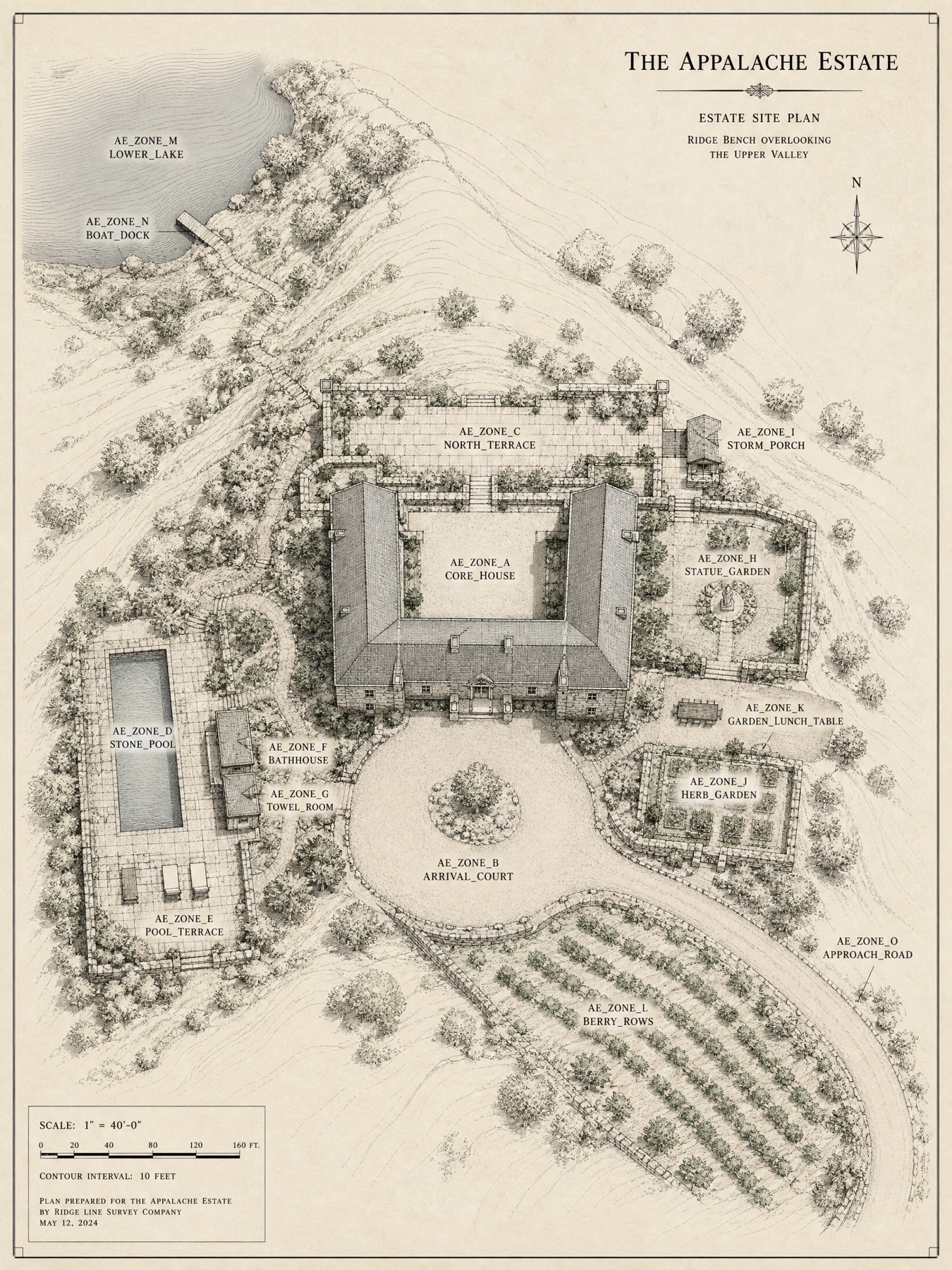
A mapped Appalache estate layout used as world architecture evidence.
Maps and plans translate feeling into spatial order.

Principles

Atmosphere never outranks comprehension.

A visitor can be surprised, but never lost. The site must always make clear where the visitor is, what the room means, what can be opened, and where to go next.

Selected Material

Images are treated as evidence.

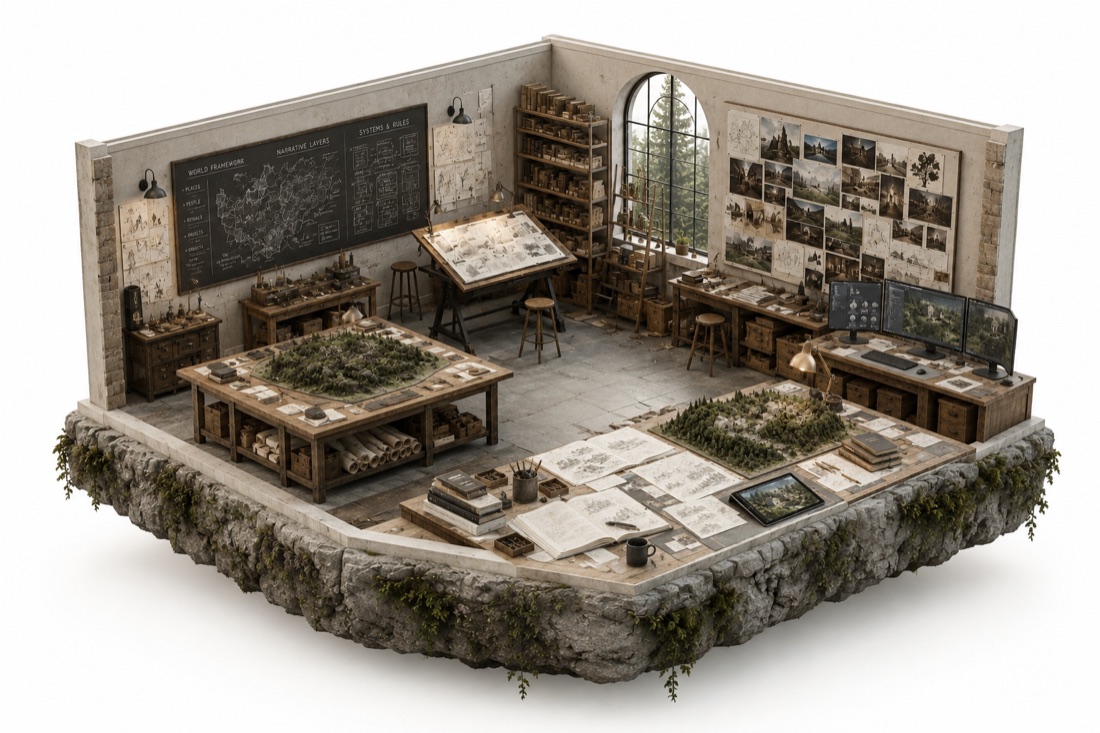
A miniature studio model with world-building material.
A Brand World needs both imagination and record keeping.
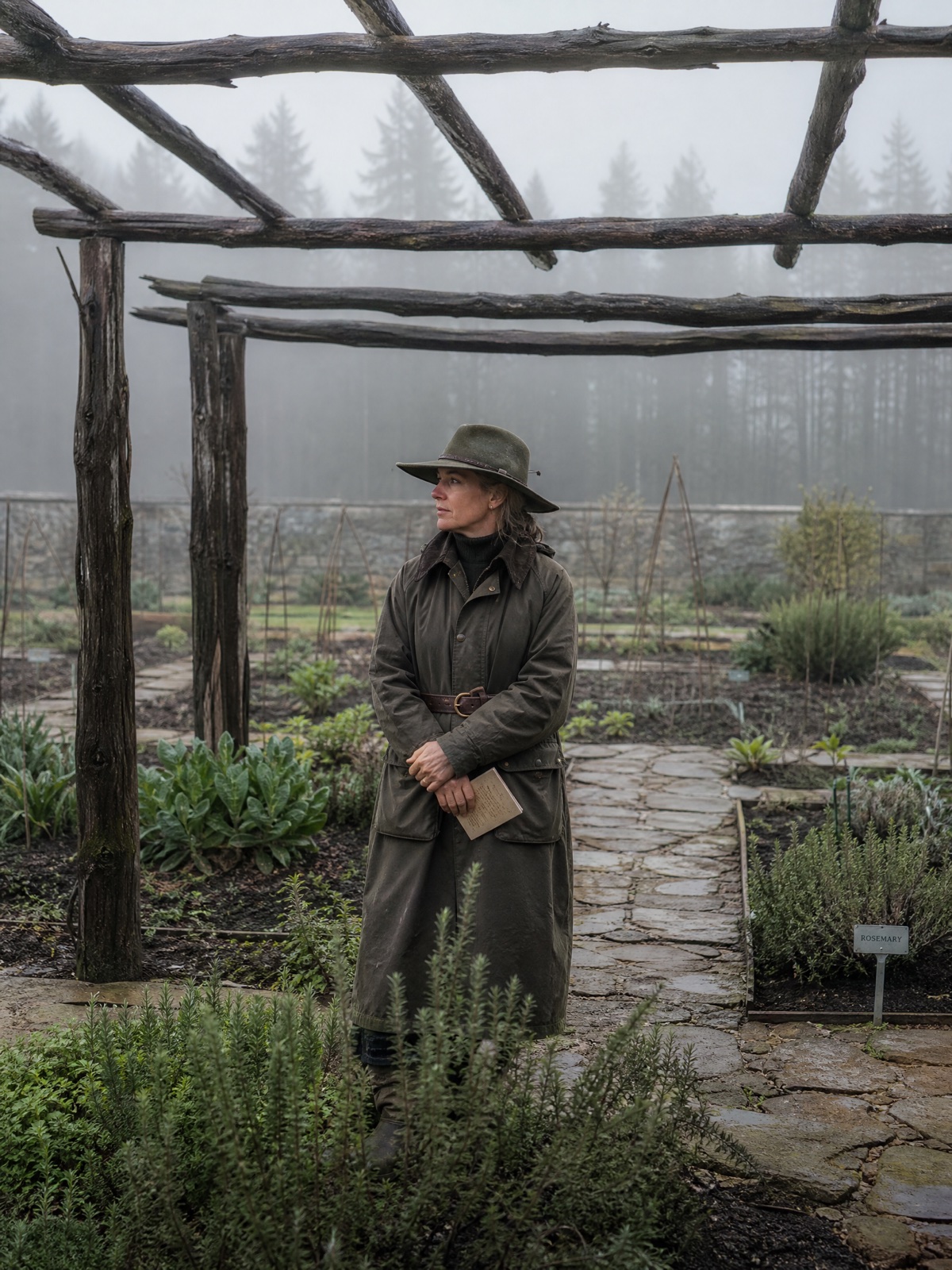
An Appalache garden image used as botanical and ritual reference.
Research reaches into plants, food, ritual, and service.
A foggy Appalache herb garden scene.
Place-specific atmosphere has to remain useful.
ContinueEnter the Workshop